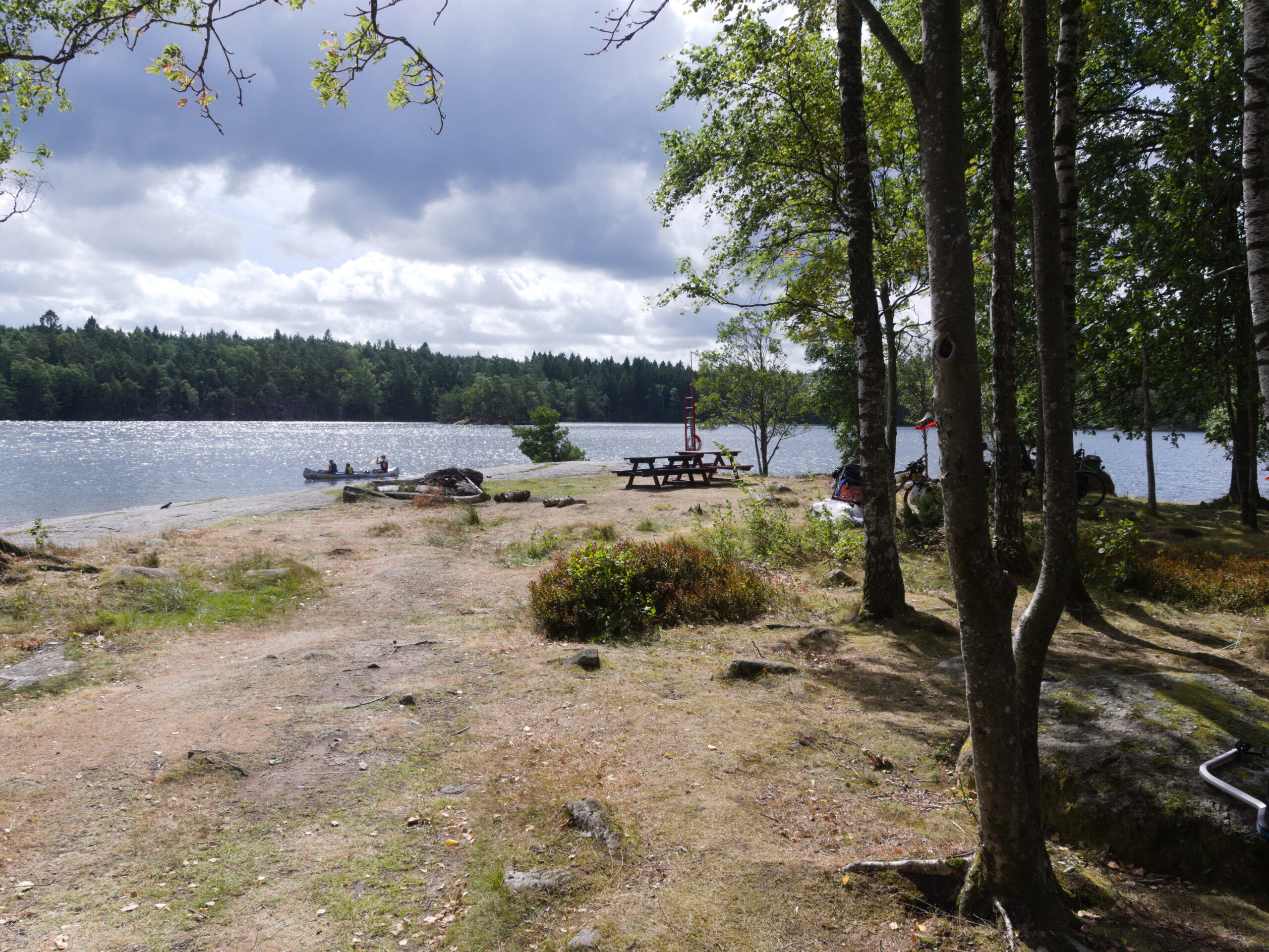
We woke up to a really windy and cold day on the lake in Göteborg. Our communal space was on a rocky peninsula reaching into the lake and completely exposed to the winds. Things kept flying away, and it felt like the wind was stressing us to leave.
During the route planning it became clear that with our new daily distance of 15 km and still one rest day per two cycling days, we wouldn’t be able to make it to Trollhättan on time. This did not seem like a big issue, as few people are joining in this last part of the route and there is not much planned. It was difficult to plan this, as the Childish Weeks need to end close to a train station so that people with children can leave easily, but the last train station is 40 km before Trollhättan. The group decided to take a detour to take a national cycle route, which would make the Childish Weeks arrive at Lödöse Södra, the last stop before Trollhättan, perfectly. The schedule of the rest of the tour would be moved back by one day.
The first 1½ days of the tour would take us back on the very same cyclepath on the former train tracks that we came. It was decided though to take another route to reach the cyclepath from our camp, as it was shorter and also it would be less boring for the children.
The first day of cycling was full of challenges. With the heavy winds and cold temperatures, the mood in the group was really low already. Fortunately the winds came mostly from behind, but it did not feel like it was helping much. The shortcut towards the cyclepath had some extremely steep climbs. When we finally reached the bike path and thought it was not far anymore, the way to the planned campsite was again really hilly and steep. Finally arriving at the lake, we found no suitable space there at all and had to turn around again. Finally we found a suitable spot at Stora Lövsjön lake. On that day the route was a bit more than 30 km, although some people had to cycle 40 km due to all the unexpected circumstances.
The cyclepath itself was brilliant, with no cars close by, very smooth turns and very small inclines, but in a way it also showed how little effort is spent on the infrastructure for bicycles, as the nice aspects of this route only existed because they were once built for trains, whereas the asphalt, which was put there specifically for the bicycles, felt like it was flattened with kitchen equipment rather than heavy machinery. The many barriers that we passed that are supposed to prevent motor vehicles but are actually preventing bicycles with luggage and/or with trailers reminded a bit of the brilliant video Die Umlaufsperre.
The sleeping place at the lake was beautiful. There were also a few campervans there and the atmosphere was nice. It almost seemed like some of them might want to join us in the future. There was a small beach and some beautiful hiking paths and a small river through the woods nearby. Dinner was a bit late because of the complications during the day. The night was cold and clear, but we could warm up at the fire. Some people sang songs together until late at night.
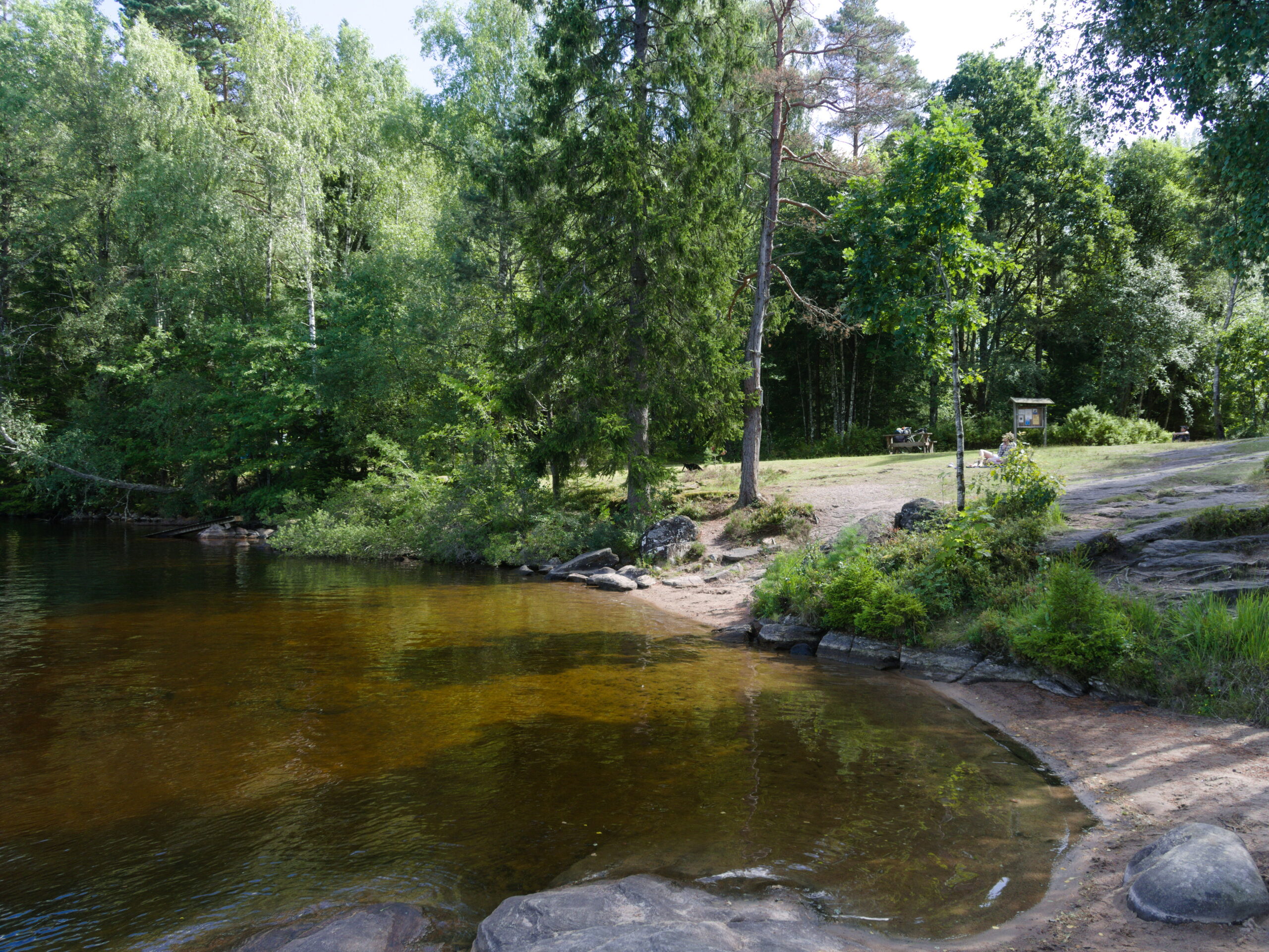
The next day was the complete opposite. The sky was clear, the sun was strong and the temperatures warmed up fast. Even though it was only around 20 °C, it felt like summer compared to some of the days before.
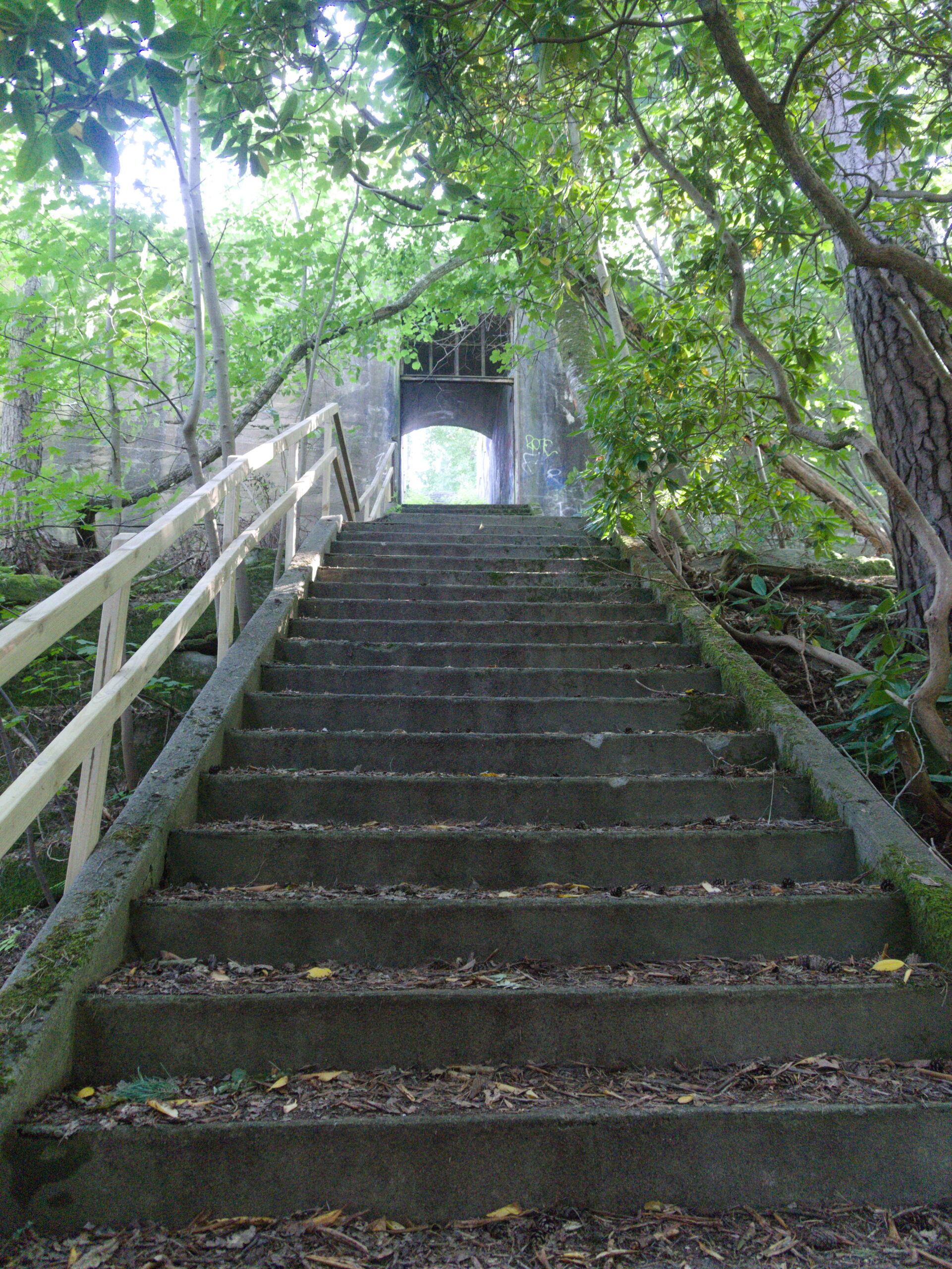
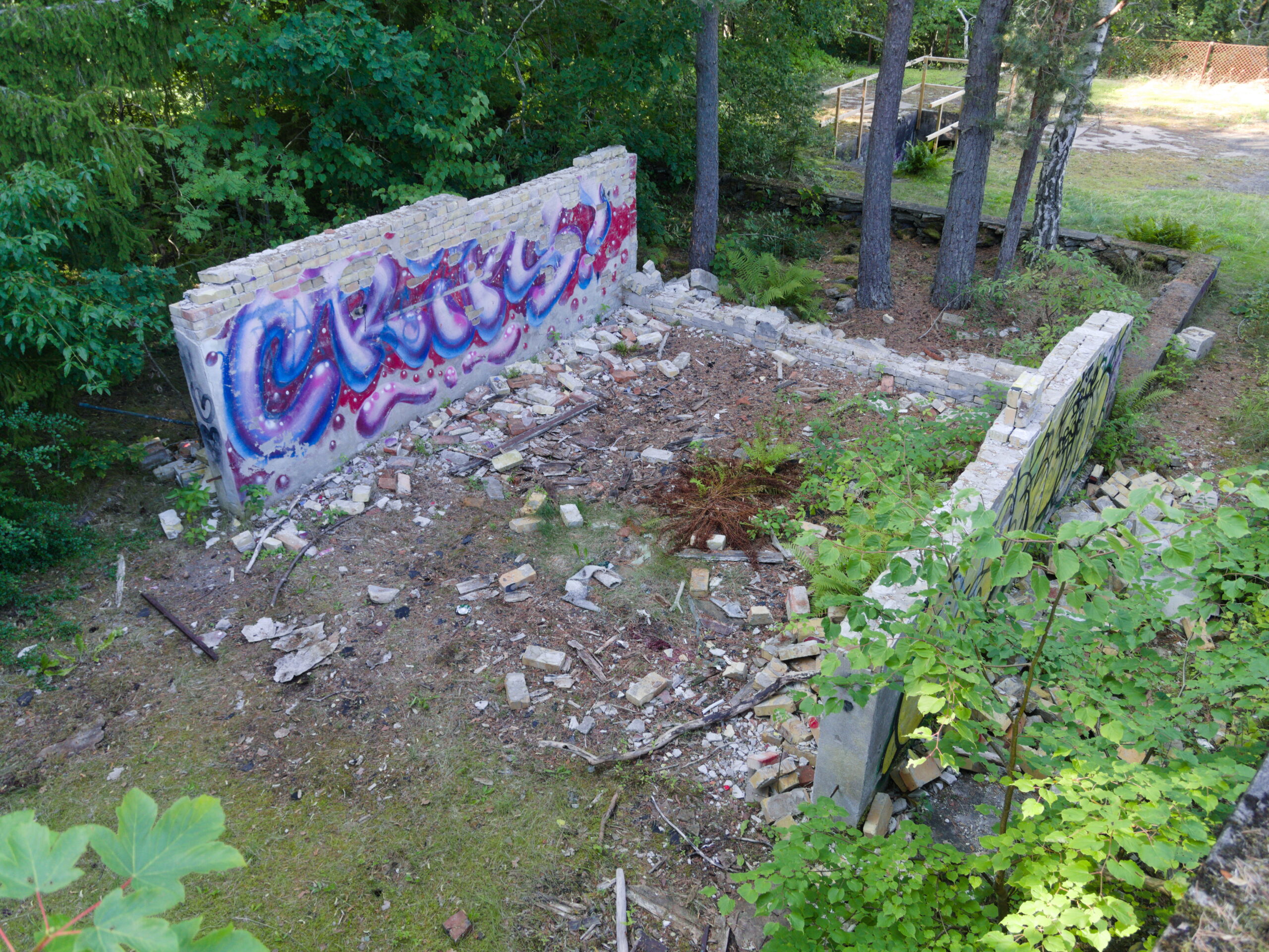
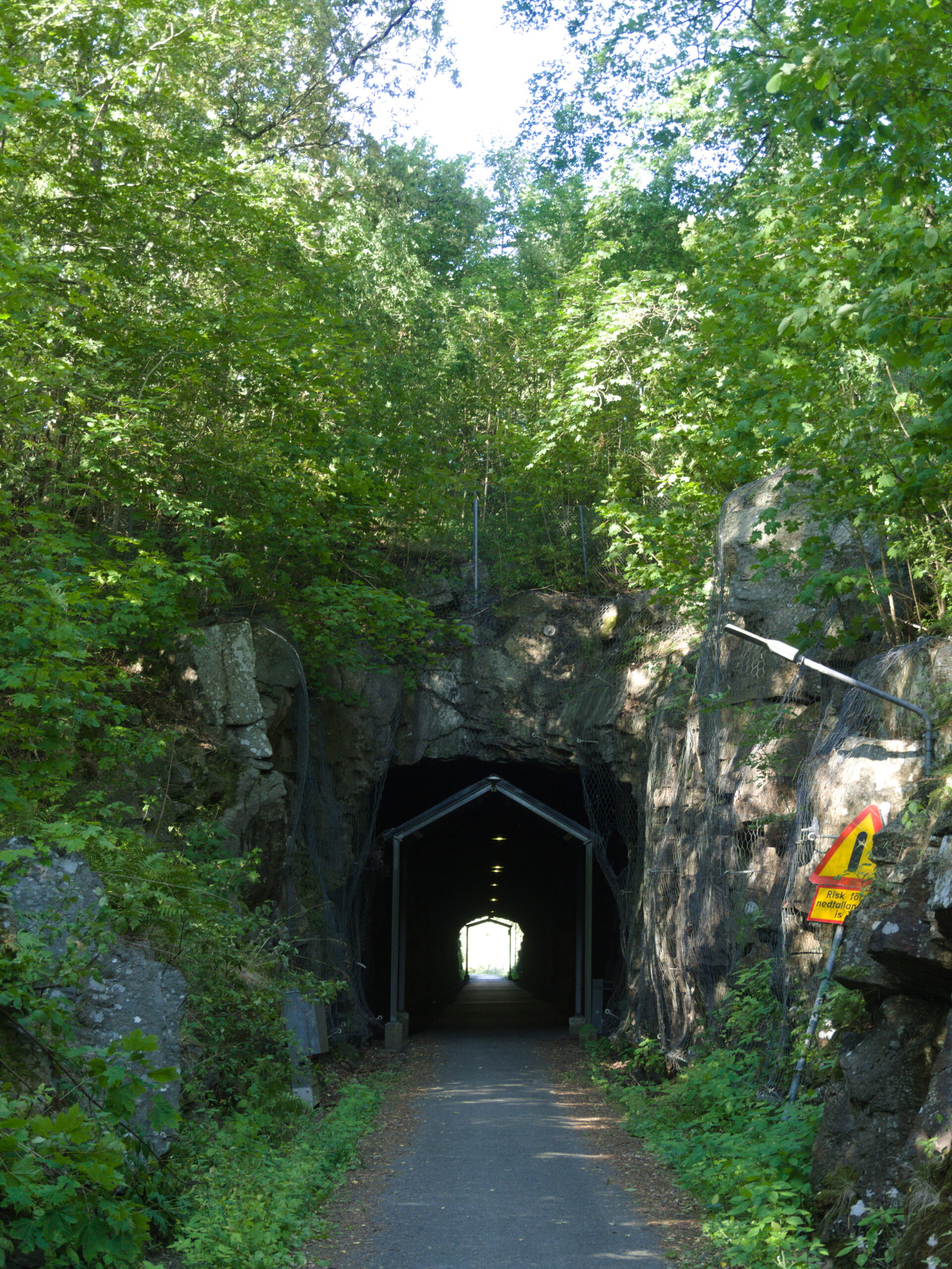
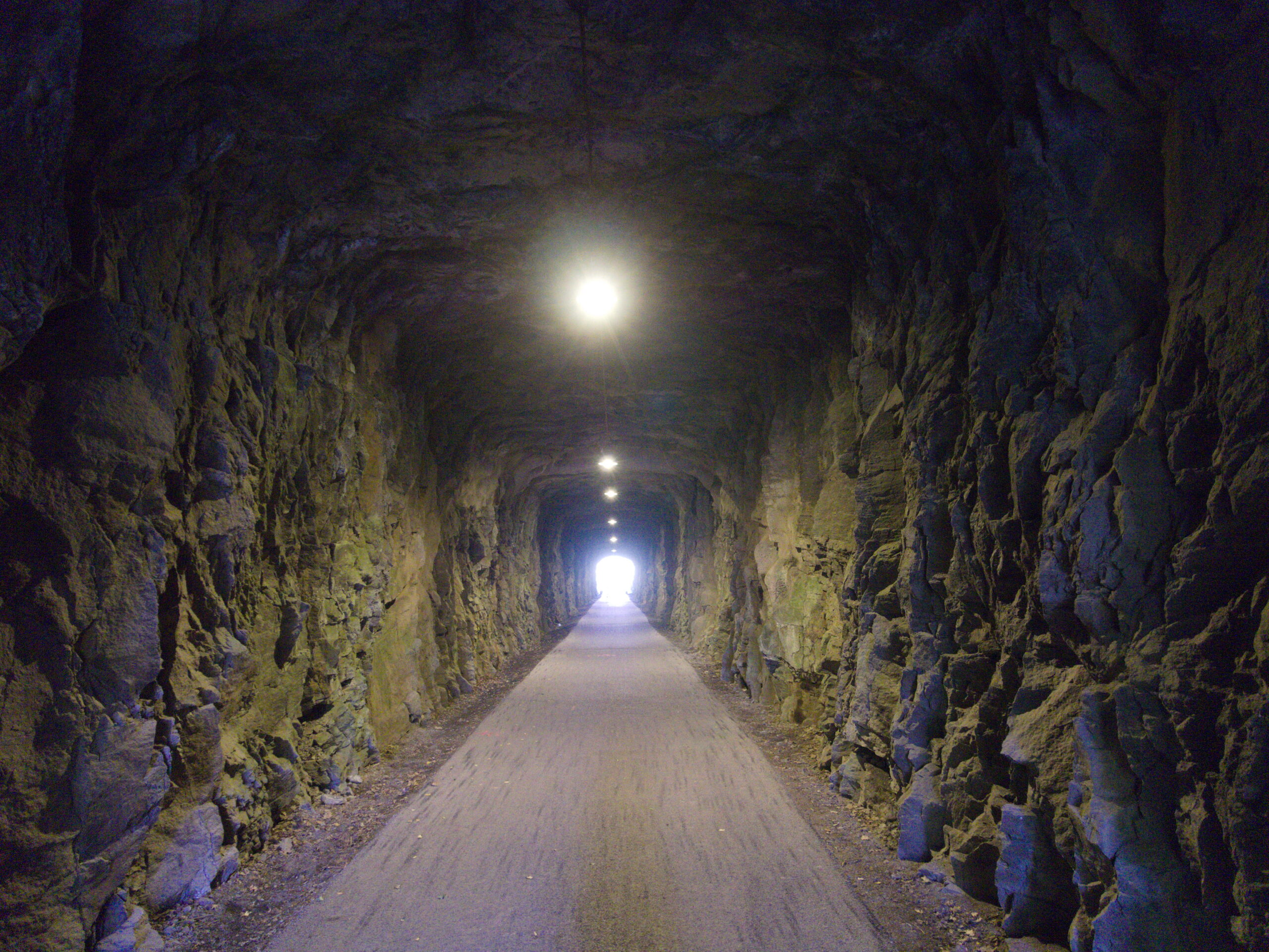
After reaching the cyclepath again, we would cycle on it the whole day. The scouts took great care of marking activities for the children along the way. There were various treasures, some ruins of a former building, and a secret path to the lake to be discovered. We also cycled through a former railway tunnel. Many people took a long break at the café or at the shop, but because of the easy cycling, everyone arrived quite early to our campsite.
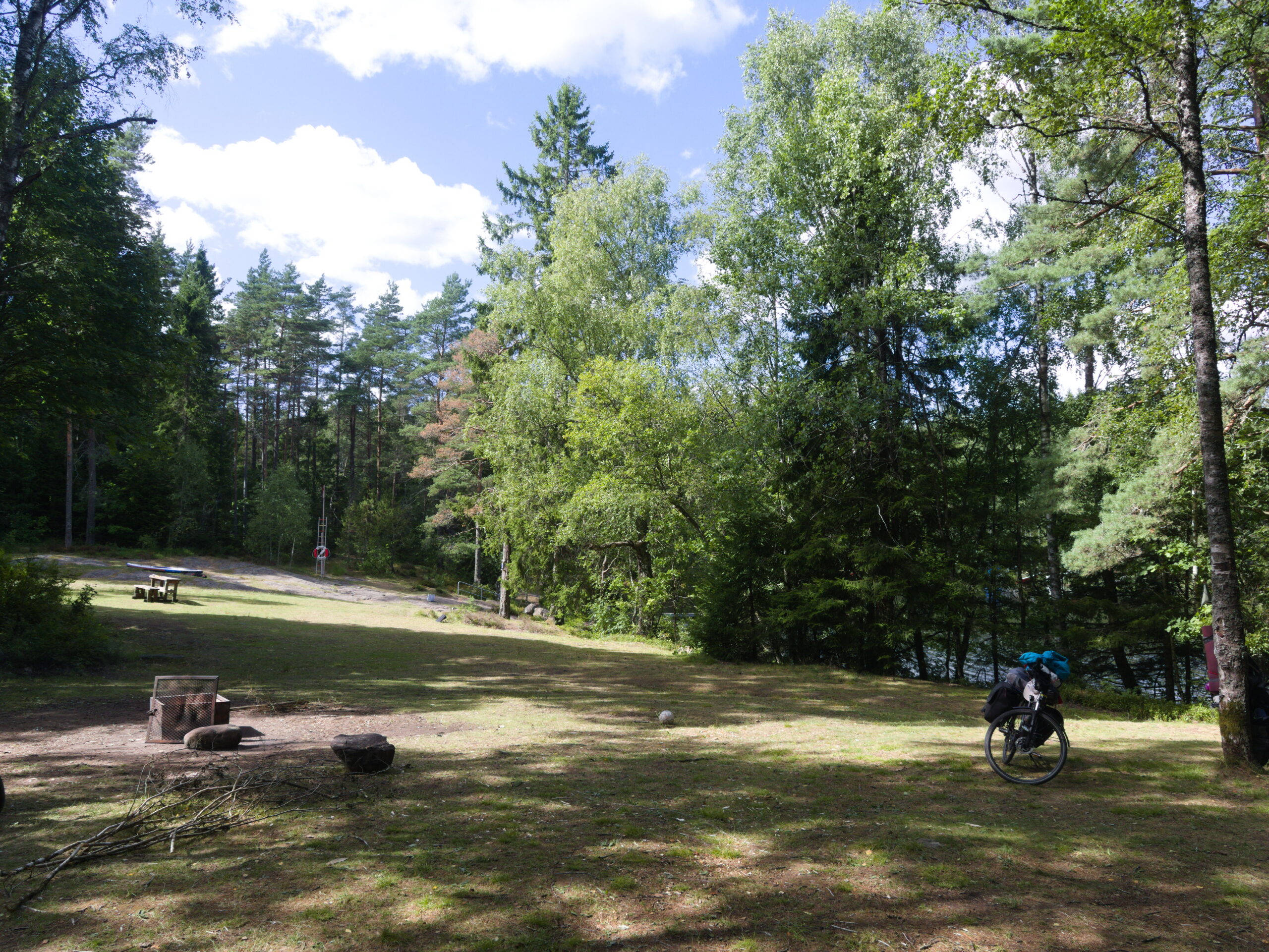
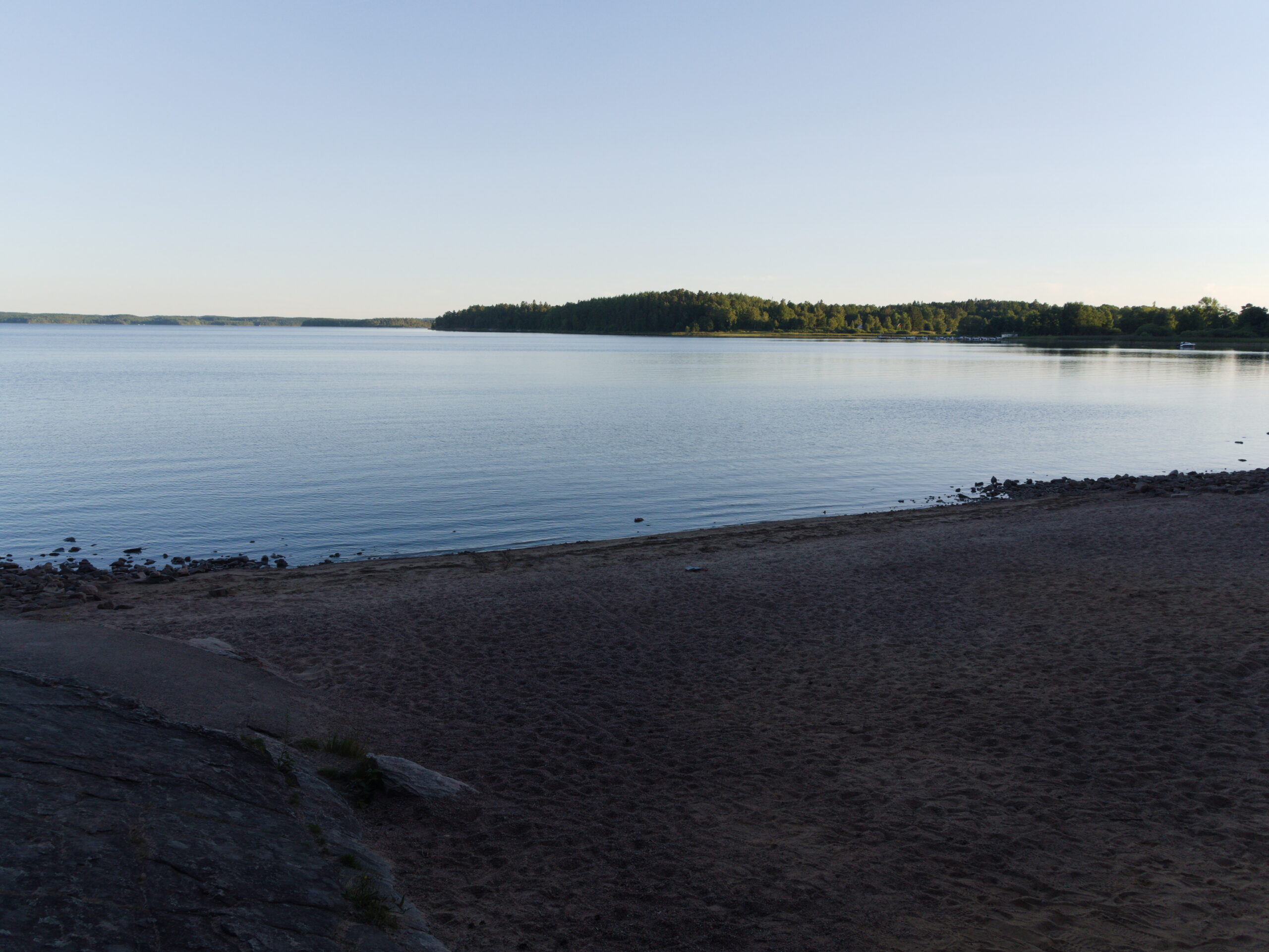
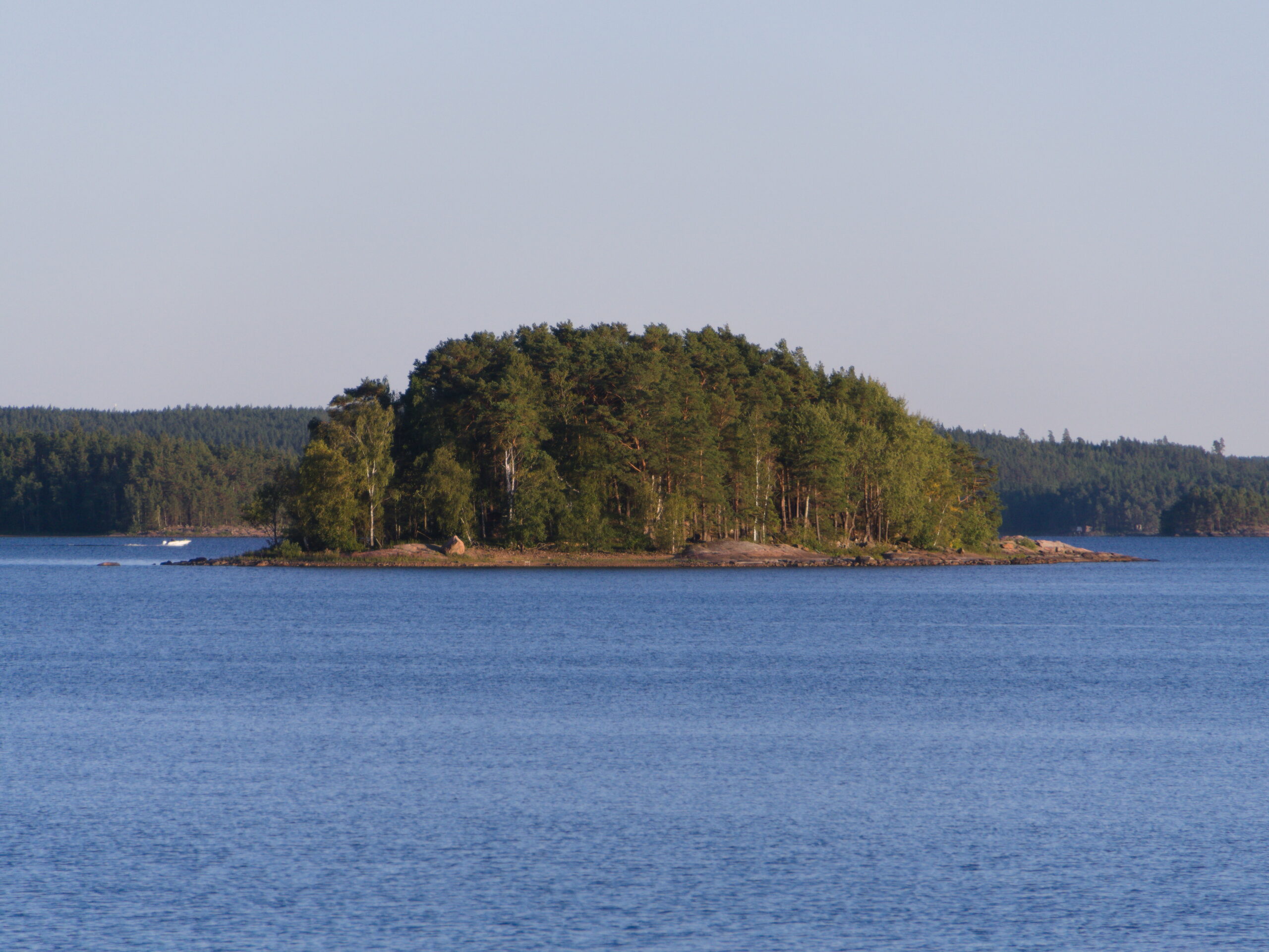
The camp was at a swimming place on the large lake Mjörn, just north of Sjövik, where the paved part of the former railway ended and the national cycle route would turn away from it. These swimming places (often signposted as “Badplats”, but often not present on any maps) have been very useful in Sweden. While large parts of the lakeshores are either overgrown or built with residential houses, the swimming places are usually outside of settlements, have good access to the water and a large patch of cut grass where we can use as a communal area, and are surrounded by nature where we can put our tents. Often there are picnic benches and a fireplace, sometimes also toilets. When the weather is good, some but not many local people usually show up to use the space, but they normally don’t mind at all being surrounded by us, our bicycles and our things, and tents seem to be a pretty usual sight here, so we coexist with the locals peacefully.
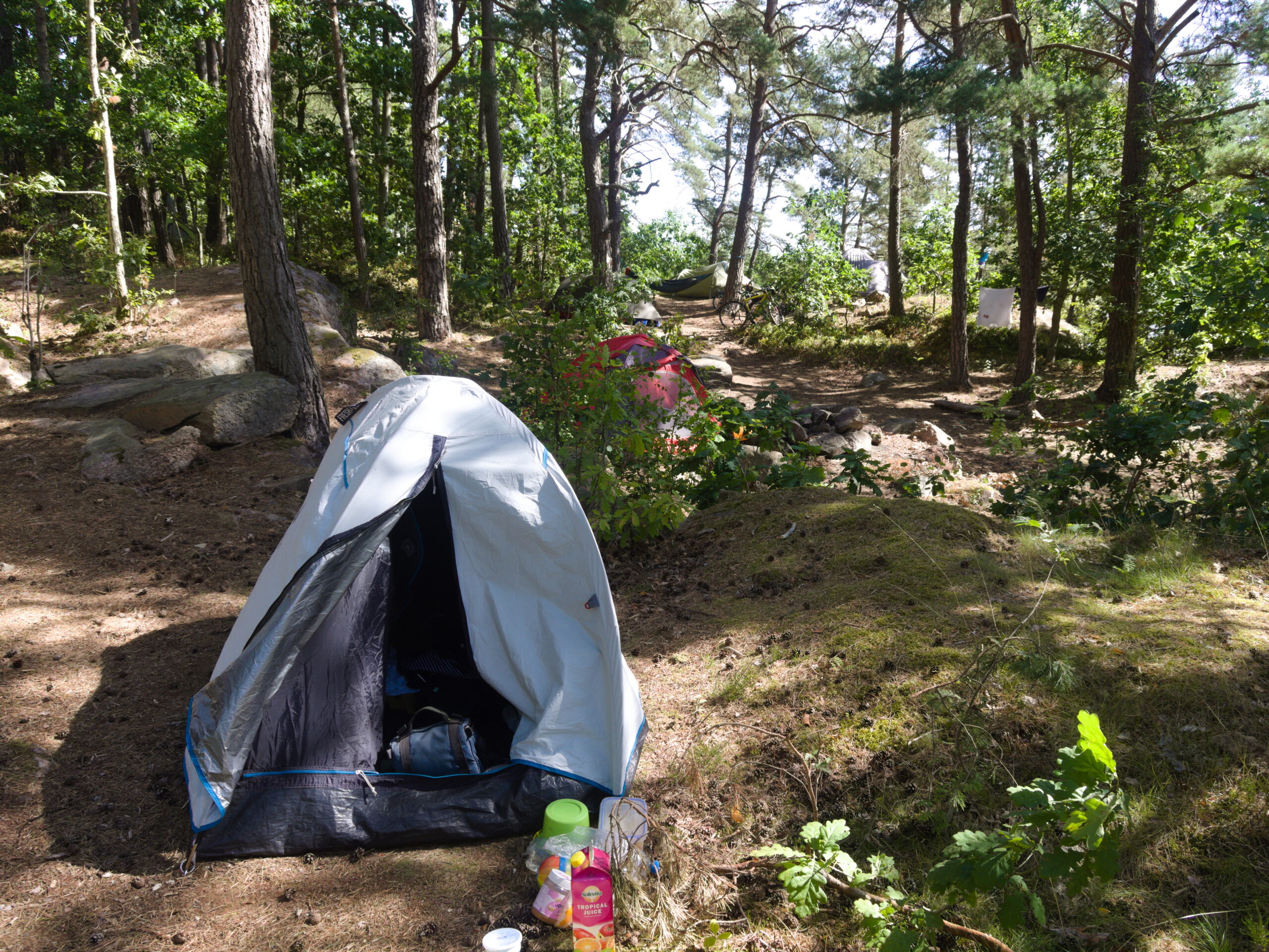
The swimming place in Sjövik had a small sandy beach, a fireplace, a portable plastic toilet, a small bridge into the water and some hills with forest close by to put our tents. The Czech family in our group cooked that evening and made Knedlík (long what flour dumplings that are cut into slices after cooking) with Sauerkraut and tofu. The night was clear and turned cold quickly.
We started the next morning with a circle (meeting) to discuss the activities of the day. Right after the circle we moved into our first discussion titled “children in this world”. The general topic was an exchange of what people think about having children in a world where it seems like a lot of things are heading in a very bad direction. The parents had a lot to share about their thoughts when they made the decision to have children. Topics touched were the question whether having children is selfish, whether having them is problematic in regards to the question of overpopulation, as opposed to the opposite problem of only fascists having children, how having children makes you grow as a person and learn a lot, how it is very exhausting and time-consuming, how some people have an internal desire (described as biological by some) to have children, and in what circumstances and with how many adults around them children should grow up, also in regards to the topic of queer families and parenting. Unfortunately the discussion had to be cut short because the attention span of the children that were present during the meeting was not that long, and in the closing round we noticed that we didn’t talk about the very important topic of parenting and gender, in particular the struggles that especially queer/trans people are facing when trying to have children.
One person went to fill everyone’s bottles and saw an elk on the way back, just a few metres from the camp. Very few have seen one so far on this year’s tour, and when it happens it’s always a special highlight.
While digging a hole in the sandy beach, we discovered that under the sand lies a thick layer of very smooth clay. A big mud battle broke out between some of the children and some of the adults, and at the end of it some of us looked like we had been in some kind of spiritual ceremony. Later we learned that apparently some people are travelling from very far to this very beach to apply the mud to their skin.
In the afternoon we had an open discussion about consent. We started by reading random pages from the Learning Good Consent zine. We had a bit of trouble finding a good mode of discussion because most of the resources we had available were about sexual consent, whereas we wanted to talk about consent in everyday situations on the Biketour, such as touching and hugging each other. Some topics that were brought up were cultural differences regarding the meaning of touch, difficulties in asking for consent, responding to the questions and actually feeling one’s boundaries, and workshop ideas to practice asking for consent and responding to the question. Practical tools that were mentioned were the Relationship Anarchy Smorgasbord and the Wheel of Consent.
After the discussion people talked about successful activist stories while cutting vegetables for dinner.
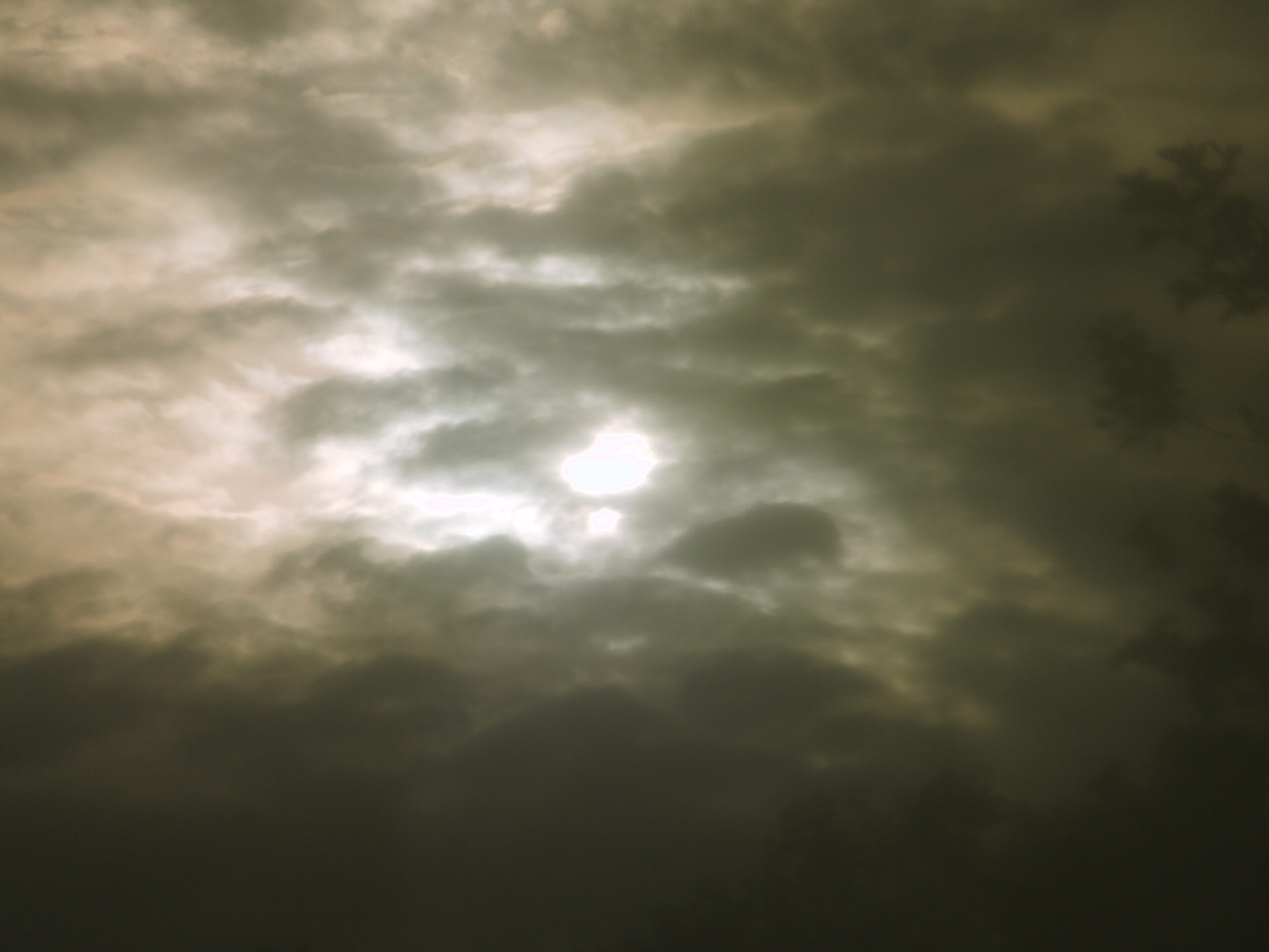
In the evening a partial solar eclipse happened and should have been visible for 1½ hours. Unfortunately clouds decided to cover the sky that had been clear all day, and just when the eclipse was over, they also left again. But for 15 minutes or so in the middle of the eclipse, the surrounding really changed. The sky got darker as if sunset was in progress, even though it was still 1½ hours until sunset. All the animals turned really quiet, the wind stopped blowing, the waves stopped splashing and the whole environment turned mysteriously quiet.
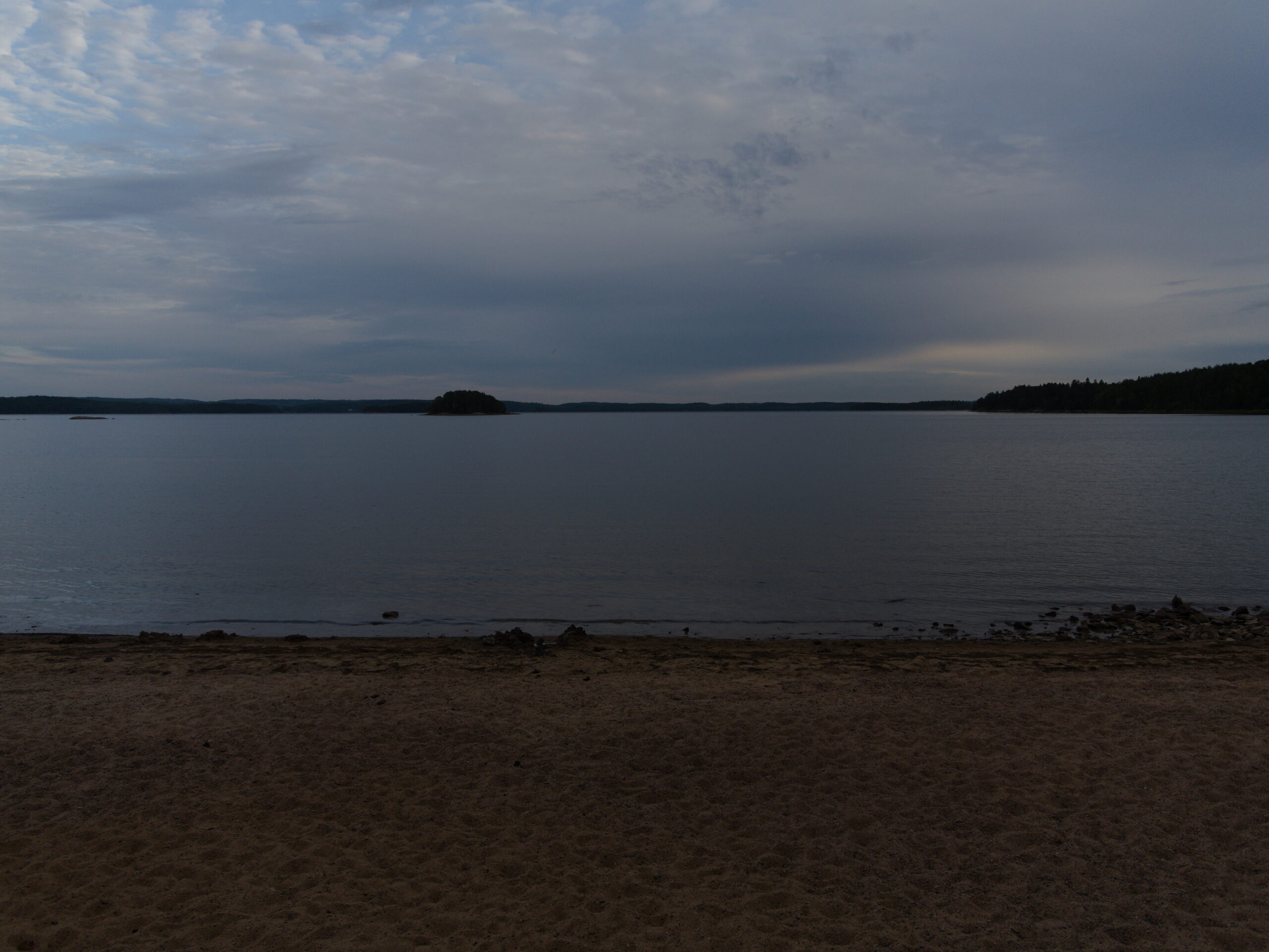
After dinner the mood on the beach was joyful, as quite a large number of people were celebrating their last day on the tour. From this point on, only two small children would be part of the tour anymore, both of them (partially) being pulled by their parents. We decided to start increasing the daily distances a little bit again to compensate for parts of our delay. You could feel that the end of the Childish Weeks was approaching.
The night turned cold very fast as usual. Some of us sang songs until late at night.